
The Core Wound: “I Was Robbed of a Normal Life”
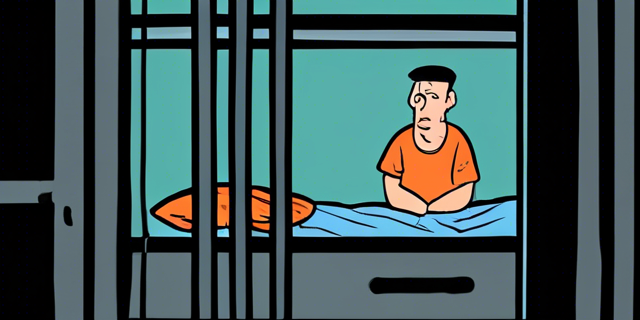
There’s a deep, painful truth I’ve had to come to terms with: I was robbed of a normal life.
While other people were simply living, I was stuck in survival mode. While my friends were dating, building careers, and creating families, I was trapped in self-doubt, trauma responses, and a constant battle with my own nervous system.
And the worst part? I was conditioned to believe that this was just the way it was. That something was wrong with me. That I would never be normal.
The Pain of Realizing What Was Stolen
For years, I didn’t even realize how much I had lost. It wasn’t until I started healing that I saw just how much time had been taken from me. The experiences I should have had. The relationships I could have built. The sense of self-worth that was never nurtured in me.
Growing up with a narcissistic parent—especially a father who actively undermined me—meant that I was never allowed to trust myself. Every decision I made was criticized. Every moment of confidence was met with ridicule. Over time, I internalized a deep, core belief:
➡ “I am not capable.”
This belief didn’t just sit in my mind. It controlled my actions. I hesitated in social situations. I doubted my own judgment. I avoided risk because I assumed I would fail.
But the hardest part? Watching people around me live the life I should have had.
Another belief that grows in this type of system is that your success is dangerous. And it becomes so powerful that you start to fear success more than failure.
The Illusion of an “Easy Life”
It’s tempting to compare myself to others and think: They had it so easy. They just lived while I had to fight to function.
I know everyone faces difficulties, but I can’t deny that my battle was different. Because it wasn’t just about overcoming setbacks; it was about rebuilding an entire sense of self from the ground up.
I wasn’t starting late in the race of life. I wasn’t even at the starting line. I was outside the stadium, trying to figure out how to get in.
Accepting the Loss Without Sugarcoating It
This is where a lot of people offer the standard, well-meaning advice: “But what you went through will make you stronger!”
And to be honest? I don’t want to hear that.
Because right now, I don’t feel stronger. I feel like I lost years of my life to trauma, fear, and self-doubt. And that’s a loss I will never get back.
Healing doesn’t mean pretending the past didn’t happen. It doesn’t mean forcing myself to find some kind of silver lining in my suffering.
Healing means accepting what was stolen from me. It means allowing myself to feel the anger, the grief, and the injustice of it all.
What I Am Focusing on Instead
I don’t need to convince myself that my past made me stronger.
Instead, I need to focus on what I can do now.
I am rebuilding my beliefs, piece by piece. I am unlearning the lies I was told about myself. And I am working on internalizing new, empowering beliefs:
✅ My wants and needs are valid.
✅ It is safe to be confident.
✅ I can trust my own judgment.
✅ My attraction to women is natural and healthy.
✅ I deserve to take up space in this world.
These aren’t just affirmations I repeat in the mirror. They are truths I am teaching my nervous system to accept.
Letting the Anger Exist Without Letting It Consume Me
I still feel rage when I think about my father. When I have to see him, my body tenses up. I know he will criticize me, undermine me, and try to tear me down just like he always has.
The difference now? I don’t let it define me.
I am allowed to be angry. I am allowed to feel cheated. But I am also allowed to move forward without carrying his voice in my head.
Some days, that means using physical outlets—like stress balls, exercise, or deep breathing—to release that pent-up frustration. Other days, it means sitting with the anger, acknowledging that it’s valid, and then choosing not to let it dictate my actions.
Moving Forward Without the Pressure to “Catch Up”
It’s easy to look at people my age and feel like I am miles behind. But I am learning to reject that comparison.
Healing is not a race. There is no deadline for self-recovery. The fact that I am here, doing the work, matters.
My focus is not on catching up to others. My focus is on becoming the person I was always meant to be—before narcissistic abuse tried to erase me.
And that? That is enough.
If you have experienced narcissistic abuse then I highly recommend finding a trauma informed therapist. However, from my own experience I have developed the red flags of a bad therapist. An unsuitable therapist will only delay healing and burn through your budget. I learned that from 9 months of searching for the right person.

Our Fact Checking Process
Articles are written based on lived experience and supported by research from psychology and trauma-recovery literature. Sources are reviewed to ensure accuracy and responsible presentation of information.Our Review Board
Content is created using trauma-informed principles and focuses on practical tools and insights for survivors of narcissistic abuse and complex trauma.