When a Fictional Scene Shows You What You Were Missing: Secure Attachment
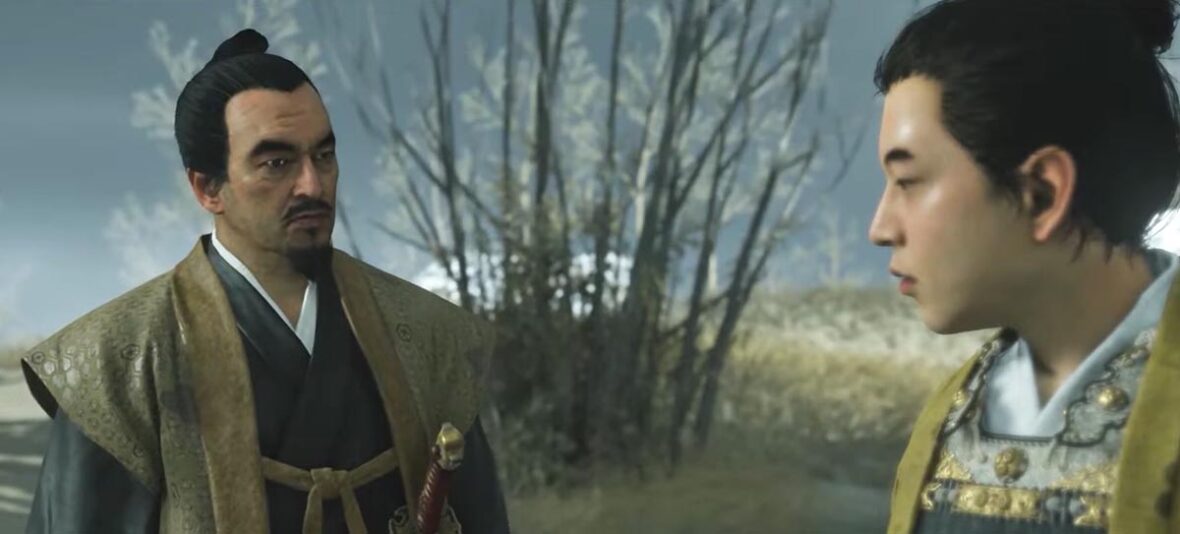
There’s a scene in Ghost of Tsushima that’s easy to miss if you’re just playing for the story.
Jin, as a young boy, expresses a fear to his uncle Lord Shimura. He’s heard a rumor — that once Shimura has a son of his own, Jin will be discarded.
Young Jin: Ryuzo said you would get rid of me once you had your own son.
Shimura: Your friend is wrong. The path ahead may be long and hard. But I will walk it with you always.
It’s a short exchange. Barely two lines.
And for some players, it lands like something unexpected. Not just as a nice moment in a story, but as something that touches a specific and very old place. Something that produces a feeling that’s hard to name at first — not quite sadness, not quite envy. Something closer to grief.
Understanding why this scene hits so hard, for the people it hits, says something important about what certain childhoods were missing and what that absence costs.
What Shimura Actually Does
Young Jin does something extremely vulnerable in this scene. He names a fear. He reveals an insecurity. He risks the possibility that saying the fear out loud might somehow confirm it.
This is a significant act for a child. It requires believing, at some level, that the relationship can hold the fear without it becoming a weapon.
What Shimura does in response is worth looking at carefully. He doesn’t shame the fear. He doesn’t dismiss it or tell Jin he’s being silly. He doesn’t use the vulnerability against him. He simply responds with clarity and commitment: you are not going to be abandoned. I will be here.
In developmental psychology, this is called secure attachment repair. The child expresses distress. The caregiver responds with reliability and emotional presence. The child’s nervous system receives confirmation: when I am afraid and show it, connection comes rather than withdrawal.
That experience, repeated over time, builds something internal. A stable model of what relationship means. A baseline expectation that vulnerability is safe. The felt sense that there is someone reliably on your side. In other words “secure attachment”gets internalized.
What the Opposite Experience Teaches
For children whose experience was the opposite — who expressed insecurity and were met with abandonment, dismissal, punishment, or the weaponization of what they revealed — the nervous system draws different conclusions.
It concludes that vulnerability is dangerous. That needs cause rejection. That the safe strategy is self-containment: keep the fear inside, don’t show it, don’t give anyone the information they’d need to use it against you.
This is why many survivors of narcissistic families become extremely self-reliant in a particular way. Not because they’re naturally independent or strong. Because connection never regulated them. The people who were supposed to be safe sources of support were either unavailable, unpredictable, or actively used their vulnerability against them.
So the self-reliance is protective. It’s not a strength that was developed. It’s a compensation for the absence of something that should have been there.
The child who grows up this way doesn’t get to build the internal figure that Jin builds from moments like this one. The internalized voice that says: you are not alone, I will walk it with you, you don’t have to manage this by yourself.
Instead, what gets built is the opposite — an internalized expectation that distress will be met with withdrawal, that showing need will cost the connection, that you are fundamentally on your own. And this wound deeply affects all areas of your life, especially commitment and relationships.
Do People Like Shimura Actually Exist?
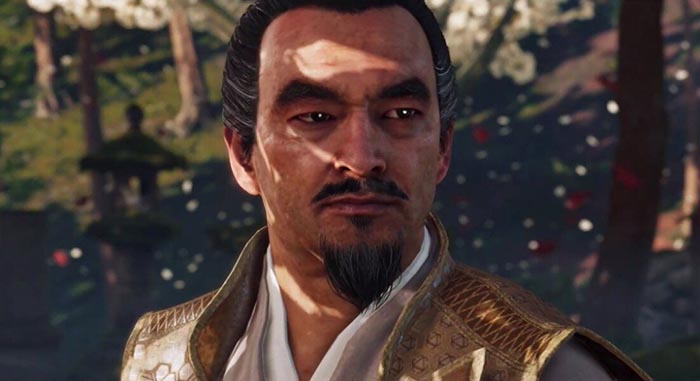
This is a question worth asking plainly, because the scene can feel almost impossibly good. A parent who hears a fear and responds with unwavering reliability. Does that actually happen?
Yes. Not universally, not perfectly, but yes.
Some children do grow up with caregivers who soothe rather than punish fear. Who stay present when distress arises. Who provide the predictable emotional availability that allows a secure internal model to form.
Those children develop something that is hard to describe to people who didn’t have it. A kind of baseline okayness. A sense that they are fundamentally not alone, even in difficult moments. An ability to take risks and tolerate failure because somewhere inside is the felt memory of being safe irrespective of result.
The gap between what they have and what someone without secure attachment has isn’t a gap in intelligence or character. It’s a gap in experience. They received something formative. Others didn’t.
And when someone who didn’t receive it watches a scene like the one between young Jin and Shimura, the nervous system knows. It recognizes what was missing, perhaps before the conscious mind has fully caught up.
The Feeling Isn’t Envy — It’s Grief
The emotion that scene can produce is worth naming correctly, because misidentifying it leads somewhere unhelpful.
It isn’t envy in the ordinary sense — wanting what someone else has. It’s grief. The ache of recognition that something needed and deserved was absent. The sadness that comes from finally having a clear picture of what should have been there, and understanding for the first time the full shape of what wasn’t.
Grief is the appropriate response to loss. And the loss of secure attachment in childhood is a real loss. Something was owed that wasn’t delivered. Something that every child deserves was withheld.
The ache when watching a fictional caregiver do what real caregivers didn’t is the body knowing the truth of that loss. It’s not self-pity. It’s accurate recognition.
And accurate recognition is the beginning of something. Not the end of it.
Jin’s Developed Traits with Secure Attachment
Watch what secure attachment produces in Jin as an adult, and the cost of its absence becomes clearer.
Jin can doubt himself without collapsing. He can take enormous risks — his whole arc is built on them. He can hold his own authority. He can make mistakes and recover. He can stay in relationship while disagreeing, because the relationship doesn’t feel like it will shatter under pressure.
These aren’t personality traits he was born with. They’re the downstream effects of having someone who walked with him when he was afraid. The internal stability that makes risk-taking possible comes from having been reliably caught.
For someone who grew up without that — who had to build adulthood without an internalized figure saying you are not alone — those same capacities are harder. Not impossible. But harder. Because the foundation they rest on was never laid in the usual way. The wound will be recreated by your nervous system. But there is good news.
This foundation of secure attachement can be built later. Through therapy, through safe relationships, through accumulated evidence that showing vulnerability doesn’t inevitably produce withdrawal. But it takes longer and requires more deliberate work, precisely because the developmental window in which it forms most naturally has passed.
Why This Kind of Recognition Matters
There is something specific and important about seeing this clearly — about watching a scene like this and understanding not just that it’s touching, but why. What it represents. What having it would have produced. What not having it actually cost.
That clarity is not a detour into sentimentality. It’s part of what allows genuine healing to happen. Because healing from attachment disruption requires, at some point, acknowledging what was missing with enough precision to grieve it properly.
Vague awareness that your childhood was difficult doesn’t do the same work as the specific recognition: I needed someone to hear my fear and stay. That didn’t happen. And here, in two lines of fictional dialogue, is a clean picture of what it would have looked like.
Watching Shimura respond to young Jin with unwavering presence — and feeling the specific ache that produces — is not a wound reopening. It’s the wound being seen clearly, perhaps for the first time.
And that is the beginning of something that wasn’t available before.
The grief that arises when recognizing unmet attachment needs is a significant part of healing from developmental trauma. A trauma-informed therapist can provide a genuine experience of secure attachment — often the first — that becomes part of how the internal model gradually updates.