Online EMDR vs In-Person EMDR: Does It Actually Matter?
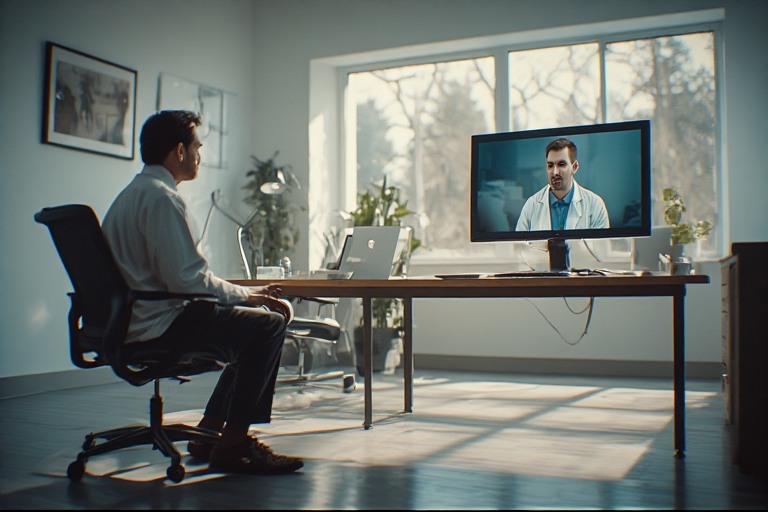
If you’re dealing with complex trauma or narcissistic abuse, EMDR therapy is one of the most effective tools available.
But a common question comes up: can you do EMDR virtually? Can you do EMDR therapy online and still get real results?
It’s a fair question. Online therapy is more accessible than ever. You can connect with a specialist from anywhere in the world, in the comfort of your own home. So why not?
The concern is usually the same: will going online mean sacrificing effectiveness?
I’ve done both. And here’s what I found.

How I Ended Up Doing EMDR Online
I started EMDR therapy in person. After about two months, I moved to another city. My therapist and I agreed to continue online.
The setup wasn’t perfect. I was on my computer, she was on her phone due to technical reasons. Not exactly ideal conditions.
But the sessions? They weren’t any less effective.
Deep processing still happened. Difficult material still came up. The work continued exactly as it had in person.
Can You Do EMDR Virtually? Yes — Here’s Why
EMDR doesn’t depend on physical presence in the way some therapies do.
The core of EMDR is bilateral stimulation — the back-and-forth movement that helps the brain process stored trauma. This can be delivered just as effectively through a screen as it can in a room. Audio tones through headphones work online. Tapping works online. Even eye movements can be guided through video.
What matters most in EMDR isn’t where you are physically. It’s the safety of the therapeutic relationship and the quality of the processing.
Both of those can be present online.
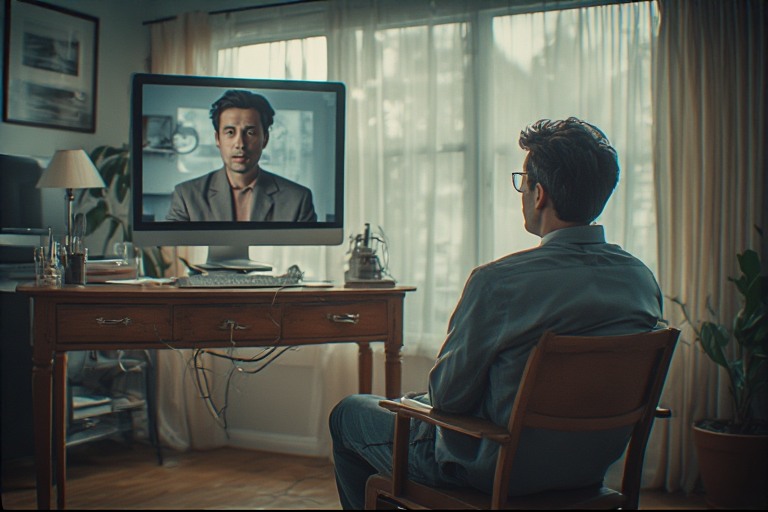
The Real Advantages of Online EMDR
There are some genuine benefits to doing EMDR from home that don’t get talked about enough.
The first is recovery space. EMDR sessions go deep. Afterward, you’re often drained, emotionally raw, sometimes a little disoriented. The last thing you want is to get in a car or on public transport in that state and make your way home.
When your session ends at home, you can just close the laptop. Lie down. Make tea. Let the nervous system settle in a space that’s already yours. That matters more than it sounds.
The second advantage is access. Online EMDR means you’re not limited to therapists within driving distance. You can find someone with real expertise in complex trauma and narcissistic abuse specifically, even if they’re in a different city. That specialist might be the difference between slow progress and real movement.
The third is comfort. For some people, processing difficult material feels slightly safer in their own environment. Home is familiar. Controlled. There’s something to be said for having your own space around you when you’re doing vulnerable work.
A great resources in which you can do self guided EMDR protocols at home is VirtualEMDR >>

The One Genuine Advantage of In-Person Therapy
There is one area where in-person EMDR has a real edge, and it’s worth being honest about it.
Co-regulation.
Humans are wired to regulate their nervous systems in the presence of other people. When you’re physically in the same room as a calm, attuned therapist, something happens beneath the level of the session content. Your nervous system responds to their presence. It settles a little more easily. The felt sense of safety goes slightly deeper.
Online, that physical co-regulation isn’t available in the same way.
In my experience, though, this gap was smaller than I expected. My therapist’s presence through the screen — her calm, her attunement, the way she held the space — was still the deciding factor. It was still enough to feel supported and safe.
Would in-person have been better? Probably slightly, yes. But online wasn’t a compromise. It was enough.

After the Session: What to Expect
Whether you do EMDR online or in person, the post-session period is something to plan for.
Deeper sessions can leave you needing several hours before your nervous system fully settles. Sometimes more. This is normal. It’s the system integrating what was processed. Here’s a list of realities what follow an EMDR session.
Online actually helps here, as mentioned above. You’re already home. You don’t have to perform okayness on the way back.
Give yourself time after sessions. Don’t schedule anything demanding for the rest of that day if you can avoid it. Let the work land.
Also important consideration is can you do EMDR while still living with your abuser? This influences your safety and nervous system stability.
So Which Should You Choose?
If in-person is available and accessible, it’s probably the slightly better option — mainly for the co-regulation benefit.
But if online is your only real option, or if it means access to a better therapist, don’t let the format hold you back.
The research on online EMDR is positive. Many therapists who specialize in complex trauma and narcissistic abuse work online full time and get excellent results.
The therapist matters more than the medium.
Find someone who genuinely understands complex trauma. Someone whose presence feels safe, even through a screen. That relationship is the foundation everything else is built on.
The format is secondary. The work is what counts.
And the best part is that once you learn the process with a therapist you can even pursue self guided EMDR protocols.
EMDR (Eye Movement Desensitization and Reprocessing) is a well-researched therapy for trauma, including complex trauma and narcissistic abuse. Both online and in-person formats have been shown to be effective. If you’re considering EMDR, look for a therapist with specific training and experience in complex trauma.